
Do I need a Garden Designer or a Landscaper?
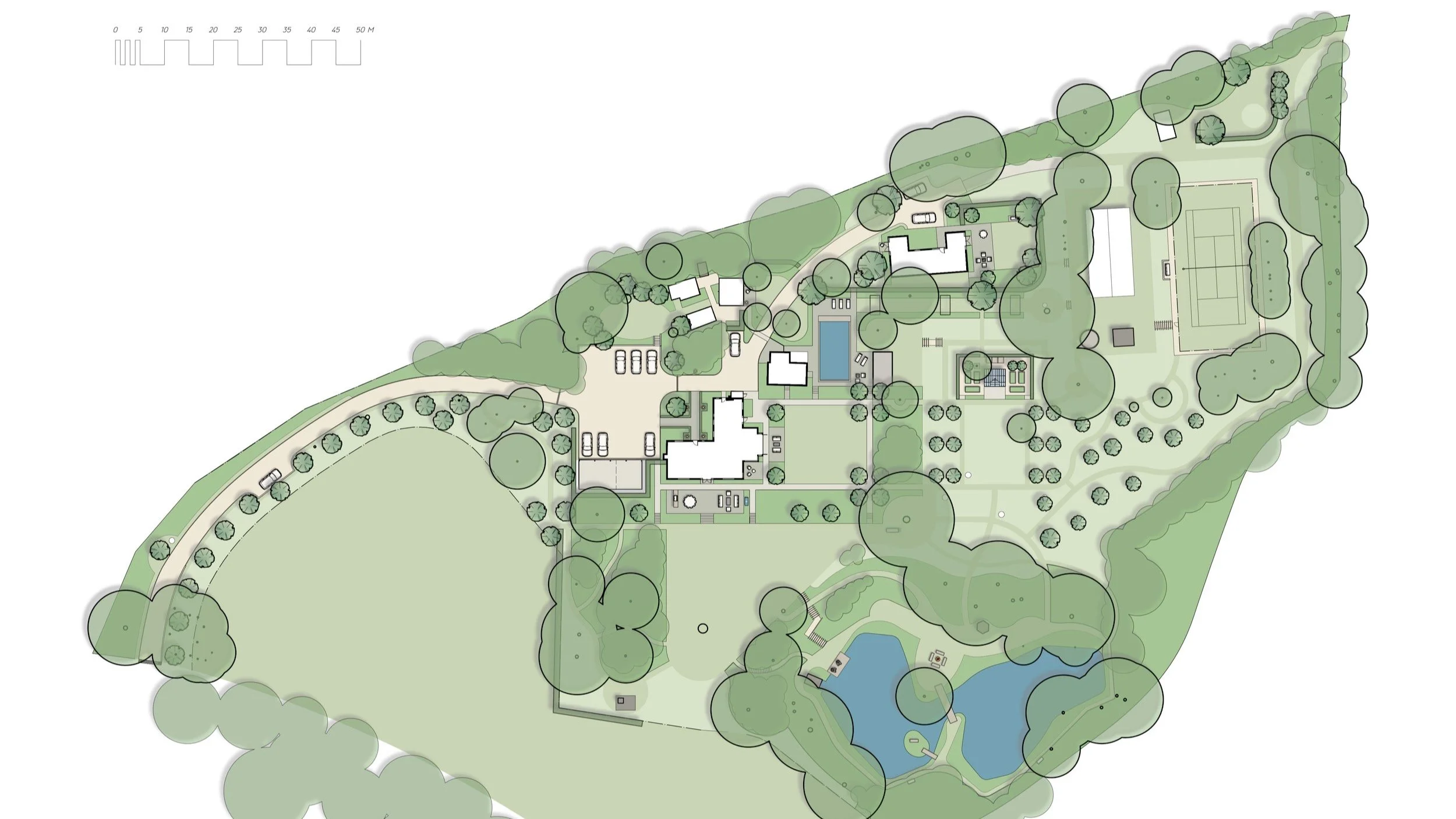
You need a garden designer if you want a clear plan, cohesive layout, and planting that will mature well; you need a landscaper if you already have a resolved design and want it built to a high standard. In most successful projects, both roles are involved—just at different moments.
A garden is calmer when the big decisions are made before anything is built.
When people feel unsure about whether to hire a designer or a landscaper, what they’re usually feeling is the weight of decisions. Not “which paving”, but the decisions that shape the whole garden: where the space opens, how you move through it, where you sit, where water goes, how privacy is created, and what the garden will feel like in winter as well as summer.
A landscaper can build beautifully, but building is not the same as deciding. When decisions are made on site, they tend to be made quickly, under pressure, and often in isolation—one choice at a time. That’s how gardens become a collection of parts rather than a coherent whole.
A garden design process is essentially a way of removing guesswork. It gives you a garden masterplan that resolves layout, proportion, and flow, before any concrete is poured or any levels are fixed. It creates a framework where materials, lighting, and planting can sit naturally—rather than being added later as decoration.
The most expensive mistakes are almost never cosmetic. They’re structural: a patio that sits slightly too high, a path that doesn’t quite take you where you want to go, steps that feel mean, drainage that was assumed rather than designed. Once these are built, correction is disruptive and costly. This is why levels strategy and drainage strategy matter early, even when everything feels “still conceptual”.
Planting is similar. If a garden is designed without planting in mind, it can look finished on day one but feel unresolved two years later. If the structure anticipates planting—light, shelter, soil, rhythm—the garden can settle into itself. That’s what good planting design does: it creates a garden that doesn’t peak immediately, but becomes more convincing with time.
At Bo Cook Landscape & Garden Design, each project begins with careful listening and observation. The studio creates ecological, site-responsive gardens rooted in instinct, intuition, and immersion—using naturalistic planting and sustainable design principles to shape calm, meaningful outdoor spaces. Gardens are designed to evolve gently over time, with long-term garden stewardship, clarity, and care at the heart of the practice.
If you’re unsure where you sit, a simple test helps: could you confidently begin building next month without making expensive guesses about layout, levels, drainage, lighting, or planting? If not, start with design. If yes—if you have a clear plan and a buildable specification—then you’re ready to choose the right landscaper and move forward.
FAQs
Can a landscaper design my garden?
Yes, especially for straightforward spaces. But if you care about a specific feel, naturalistic planting, complex levels, drainage, or a calm cohesive layout, design-first usually prevents expensive rework.
Should I hire a garden designer before my house renovation is finished?
Often yes. Thresholds, levels, drainage, lighting routes and services are easiest (and cheapest) to coordinate before building work is locked in.
What’s the biggest risk of skipping design?
Unresolved levels and drainage, followed closely by a layout that doesn’t flow and a garden that never feels finished.