
Designing gardens intuitively — without losing clarity
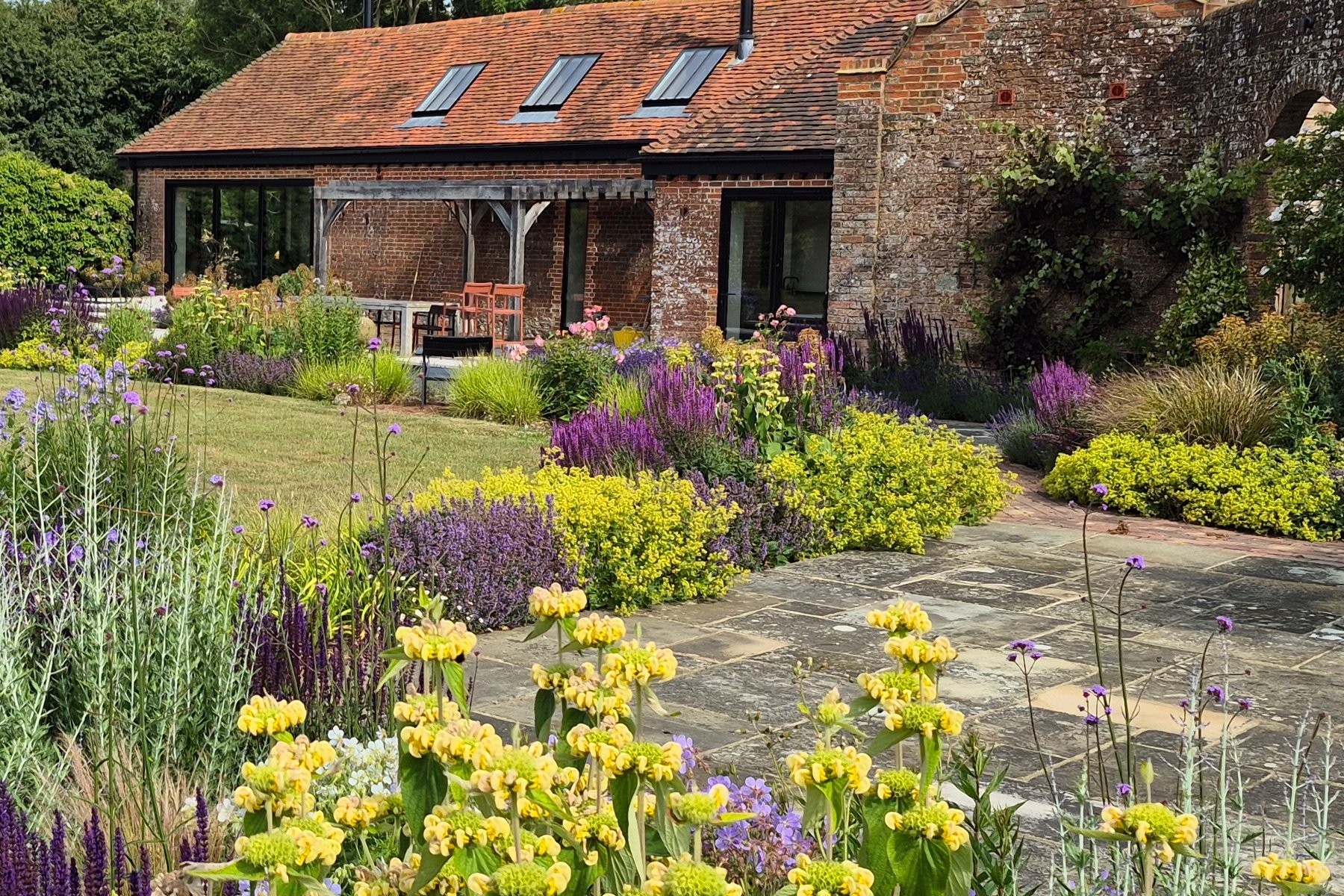
This article explores how intuitive working and clear design thinking coexist in landscape and garden design, and how careful observation, experience, and structure underpin instinctive decision-making.
Intuition plays a central role in many creative practices, yet it is often misunderstood. In landscape and garden design, working intuitively does not mean working without structure or discipline. On the contrary, intuition is most effective when it is grounded in close observation, experience, and a clear design process.
An intuitive approach begins with careful attention to place. Before lines are drawn or plants are chosen, time is spent understanding the site — its soil, light, climate, existing vegetation, and the way it is used and experienced. This kind of listening allows patterns and possibilities to emerge naturally, rather than forcing a design onto the land.
Clarity comes from this early attention. When the underlying structure of a garden responds directly to its context, decisions about layout, planting, and material feel coherent rather than arbitrary. Paths align with how people naturally move through a space. Planting schemes reflect the conditions they are placed in. The garden begins to make sense as a whole.
Intuitive design is also shaped by experience. Over time, designers develop a deep, embodied understanding of how landscapes behave — how plants grow together, how spaces settle, and how gardens change through the seasons and years. This knowledge allows decisions to be made with confidence, even when they are not immediately obvious or formulaic.
Importantly, intuition does not replace practical thinking; it works alongside it. Technical requirements, budgets, maintenance considerations, and collaboration with architects and specialist teams are all integral to the process. Clear drawings, thoughtful detailing, and careful coordination ensure that instinctive ideas are translated into spaces that can be built, cared for, and enjoyed over time.
The result of this balance is a garden that feels both natural and intentional. When intuition and clarity work together, outdoor spaces feel calm rather than overworked, and generous rather than imposed. They invite use without demanding attention, and they continue to reveal themselves gradually as they mature.
Designing intuitively is ultimately about trust — trust in observation, in experience, and in the land itself. When guided by clarity and care, intuition becomes a powerful tool for creating gardens that are immersive, grounded, and deeply connected to place.
FAQ’s
What does intuitive design mean in garden and landscape design?
Intuitive design in landscape architecture means making decisions based on observation, experience, and an understanding of place. Rather than relying on rigid formulas, designers respond to the specific conditions of the site.
Is intuitive garden design the same as designing without a plan?
No. Intuitive garden design still relies on structure and a clear design process. Intuition works alongside planning, technical knowledge, and practical considerations to create coherent landscapes.
Why is observation important in landscape design?
Careful observation helps designers understand soil, light, climate, and how people use a space. This knowledge allows the design to respond naturally to the site rather than imposing ideas onto it.
How does experience influence intuitive garden design?
Experience helps designers recognise patterns in how landscapes grow and change. Over time, this knowledge supports confident decisions about planting, layout, and long-term development.
Can intuitive design still meet practical requirements?
Yes. Intuitive ideas are supported by technical planning, drawings, and collaboration with specialists. This ensures the garden can be built effectively and maintained over time.